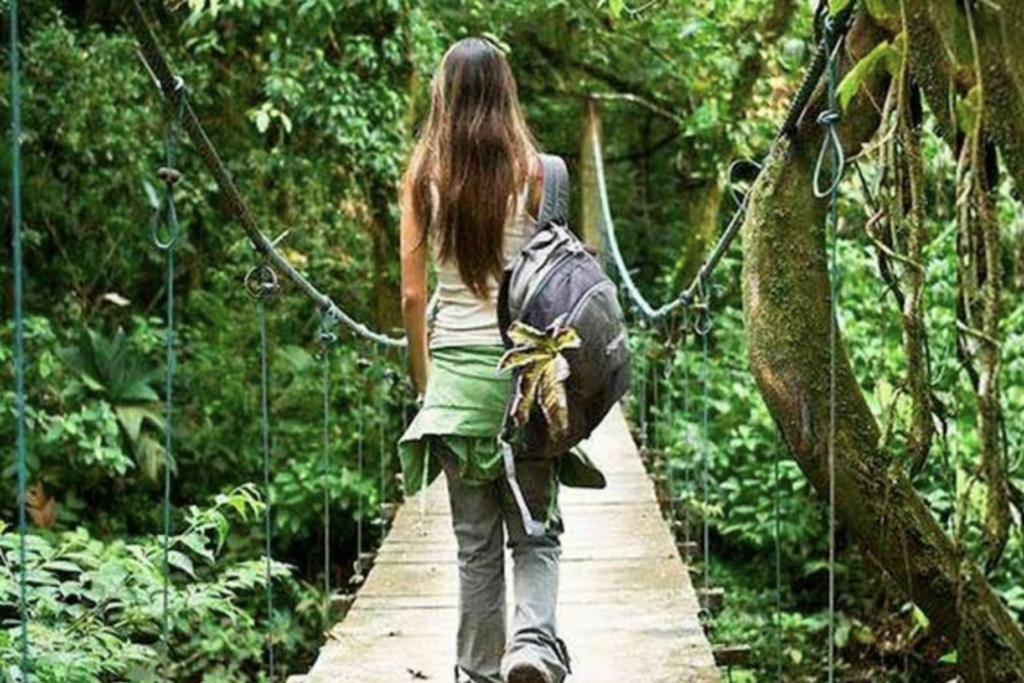

Jungle Mountain Biking in Guanacaste, Costa Rica
March 1, 2020
Best Day Tours in Guanacaste for First-Time Visitors
May 25, 2026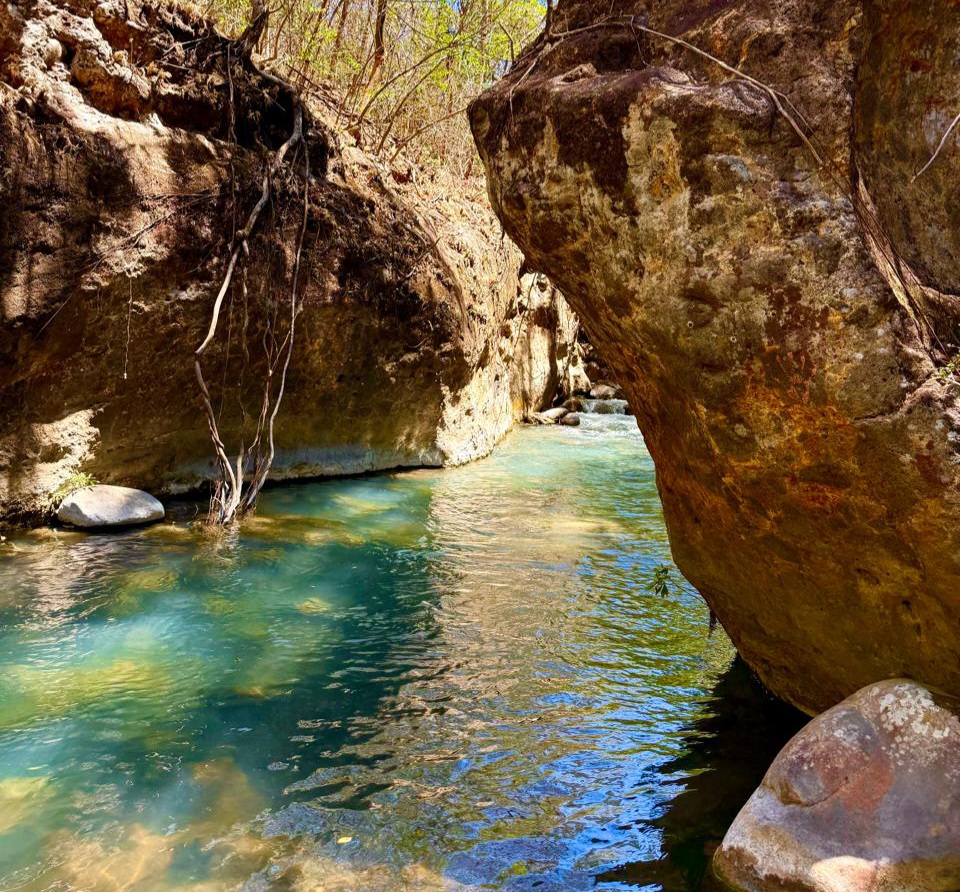
Guanacaste is often described through images of golden beaches, warm Pacific sunsets, and long dry-season days, but this northwestern province of Costa Rica is much more than a beach destination. It is a place where tropical dry forest meets volcanic landscapes, where surf towns and quiet fishing villages share the same coastline, and where travelers can move from a morning hike near an active volcano to an afternoon swim in the Pacific Ocean.
For visitors planning a Costa Rica vacation in 2026, Guanacaste remains one of the country’s most accessible and complete destinations. The region is home to more than 400 miles of coastline, important protected areas, and landscapes that range from tropical dry forest to mountain forests, according to Costa Rica’s official tourism board. It is also served by Daniel Oduber Quirós International Airport in Liberia, which makes it especially convenient for travelers heading directly to the beaches, volcanoes, and adventure hubs of the north Pacific.
Guanacaste is blue skys, adventure, beaches and much more!
More Than Beaches: Why Guanacaste Is One of Costa Rica’s Most Complete Destinations
Guanacaste is famous for its beaches, and with good reason. From the lively surf energy of Tamarindo to the calmer waters of Playa Hermosa, Playa Panamá, Playa Flamingo, and Playa Conchal, the coastline offers something for almost every traveler. Some areas are ideal for families and first-time visitors, while others attract surfers, sailors, divers, wellness travelers, and couples looking for a romantic escape.
Yet the beauty of Guanacaste lies in its contrasts. Inland, the landscape changes quickly. The coast gives way to rolling cattle country, rural towns, volcanic foothills, rivers, waterfalls, and protected forests. Guanacaste is also deeply connected to Costa Rica’s cultural identity. Known as the cradle of Costa Rican folklore, it is a region of traditional music, sabanero heritage, local food, fiestas, handmade crafts, and a strong sense of regional pride.
This combination of beach, nature, culture, and easy access is what makes Guanacaste such a strong choice for travelers who want variety without spending their entire vacation on the road.
Volcanoes, Forests, and Adventure in Guanacaste
One of Guanacaste’s greatest advantages is that beach time can be paired with inland adventure. Rincón de la Vieja Volcano National Park is one of the region’s most iconic natural attractions, offering trails, volcanic activity, waterfalls, forest landscapes, and access through sectors such as Las Pailas and Santa María. The official tourism board notes that the park includes trails to fumaroles, mud volcanoes, waterfalls, pools, and hot springs areas, making it one of the best places in the region to experience Guanacaste beyond the coast.
For travelers, this means Guanacaste can easily become an adventure vacation. A day near Rincón de la Vieja might include hiking through dry forest, seeing volcanic steam rise from the earth, crossing hanging bridges, horseback riding, river tubing, soaking in hot springs, or relaxing in a volcanic mud bath. These experiences are especially appealing because they show a very different side of Costa Rica from the classic rainforest image many visitors expect.
Guanacaste’s tropical dry forest is one of its most distinctive ecosystems. During the dry season, many trees lose their leaves and the landscape turns golden. During the green season, the same hills become lush and vibrant, rivers gain strength, and wildlife activity often feels more visible. For nature lovers, both seasons offer their own kind of beauty.

Guanacaste is much more than beaches for water activities
The Beaches Everyone Dreams About
No Guanacaste Costa Rica travel guide would be complete without the beaches. The province’s coastline stretches across resort areas, surf towns, quiet coves, family-friendly bays, and protected marine zones. Tamarindo remains one of the best-known destinations, especially for surfing, restaurants, nightlife, and easy access to tours. Playa Grande and Las Baulas National Marine Park are closely associated with leatherback sea turtle conservation, while Playa Conchal is famous for its crushed-shell sand and clear water.
Farther south, places like Sámara and Nosara offer a different rhythm. Sámara is often appreciated for its relaxed beach-town feel and calmer bay, while Nosara and Playa Guiones are known for surf, yoga, wellness, and a strong connection to nature. In the north, the Gulf of Papagayo, Playas del Coco, Playa Hermosa, Playa Panamá, and surrounding beaches provide a convenient base for sailing, snorkeling, fishing, diving, and sunset cruises.
The best beach in Guanacaste depends on the type of trip you want. Families may prefer calmer waters and easier services. Surfers may choose Tamarindo, Grande, Avellanas, Nosara, or nearby breaks. Couples may look for quieter beaches with boutique hotels and sunset views. Adventure travelers may want a location that allows easy access to both the ocean and inland volcano tours.
Why Green Season Is a Beautiful Time to Visit Guanacaste
Many travelers associate Guanacaste with sunshine, and the dry season from roughly December to April is certainly popular. However, the green season should not be overlooked. From May through November, the landscape becomes richer and more colorful, especially inland. Mornings are often bright, while afternoon showers cool the air and refresh the forests.
Green season travel can be especially rewarding for visitors who enjoy photography, wildlife, fewer crowds, and a more relaxed pace. Waterfalls tend to be fuller, gardens are more vibrant, and the contrast between the ocean and the green hills is spectacular. For travelers who are flexible, this can be one of the most atmospheric times to experience the region.
In 2026, green season travel also fits a growing desire for more meaningful, less crowded, and more nature-connected vacations. Guanacaste is not only a place to “see” Costa Rica; it is a place to feel the rhythm of the land, the coast, and the local culture.
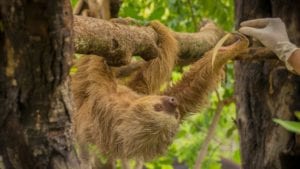
The Tropical Dry Forest is filled with wildlife.
A Region Built Around Experience
Guanacaste is ideal for travelers who want to do more than stay in one hotel. The region offers a wide variety of tours and activities: catamaran sailing, snorkeling, surf lessons, wildlife boat tours, waterfall hikes, cultural visits, cooking experiences, horseback riding, ATV tours, canopy tours, hot springs, yoga, sportfishing, diving, and national park visits.
This is where working with a local tour operator can make a major difference. Distances in Costa Rica may look short on a map, but travel times depend on roads, weather, beach location, and the type of experience you want. A well-planned itinerary can help visitors avoid unnecessary driving and combine activities intelligently. For example, travelers staying near Liberia, Papagayo, Coco, or Hermosa may find Rincón de la Vieja easier to visit than those staying farther south. Travelers in Tamarindo may prefer sailing, surfing, estuary tours, and beach-hopping. Visitors in Sámara or Nosara may want a slower itinerary focused on wellness, ocean activities, and local nature.
Traveling Through Guanacaste with Local Knowledge
Guanacaste is easy to love, but it is also diverse enough that planning matters. A family with young children, a couple on a honeymoon, a group of friends, and a multi-generational family will all experience the region differently. Some travelers want adventure every day. Others want one or two special tours mixed with plenty of beach time. Some want wildlife and national parks, while others want culture, food, and sunsets.
The value of local knowledge is knowing how to match the traveler to the right part of Guanacaste. It means understanding which beaches are better for swimming, which tours work best in green season, which roads are comfortable for day trips, and which experiences are worth combining in a single day.
For first-time visitors, Guanacaste is one of the best introductions to Costa Rica because it offers so much in one region: beaches, volcanoes, wildlife, culture, adventure, comfort, and convenience. For returning travelers, it offers layers that are easy to miss the first time: rural towns, quiet beaches, hidden waterfalls, seasonal changes, and small local experiences that bring the destination to life.
Final Thoughts: Why Visit Guanacaste in 2026?
Guanacaste is not just a destination for beach vacations. It is a complete Costa Rican experience shaped by sun, sea, volcanic energy, tropical dry forest, culture, and adventure. In 2026, it continues to stand out as one of the most practical and rewarding regions for travelers who want variety, beauty, and easy access.
Whether you are planning your first trip to Costa Rica or returning to discover a new side of the country, Guanacaste offers the kind of vacation that can be as active, relaxed, romantic, family-friendly, or nature-focused as you want it to be.
FAQ: Guanacaste Costa Rica Travel Guide
What is Guanacaste best known for?
Guanacaste is best known for its Pacific beaches, sunny climate, tropical dry forest, volcanoes, adventure tours, and strong cultural identity. It is one of Costa Rica’s most visited tourism regions.
Is Guanacaste good for first-time visitors to Costa Rica?
Yes. Guanacaste is excellent for first-time visitors because it offers beaches, national parks, wildlife, adventure tours, and convenient access through Liberia International Airport.
Do you need tours in Guanacaste?
Tours are highly recommended if you want to experience volcanoes, waterfalls, wildlife, sailing, snorkeling, cultural activities, or adventure experiences without worrying about logistics.
What is the best time to visit Guanacaste?
The dry season, from December to April, is the most popular time for sunshine and beach vacations. The green season, from May to November, is ideal for lush landscapes, fewer crowds, and nature-focused travel.